
Seasonal colds and flu can drain your energy, disrupt daily life, and slow recovery, especially when dehydration and nutrient depletion set in. As more people look for supportive wellness options, IV Drip at home in Dubai has gained attention for its convenience and targeted nutrient delivery during illness recovery. While IV therapy is not a cure for viral infections, it may play a supportive role in helping the body rehydrate and replenish essential vitamins under proper medical supervision.
Understanding Cold and Flu Recovery Needs:
When the body is fighting a cold or flu, it requires extra fluids, electrolytes, and nutrients to support immune response and tissue repair. Fever, sweating, reduced appetite, and congestion can all contribute to dehydration and fatigue. Recovery depends on maintaining adequate hydration, rest, and nutritional balance, which is why supportive therapies often focus on replenishment rather than direct treatment of the virus itself.
How IV Therapy Supports Hydration:
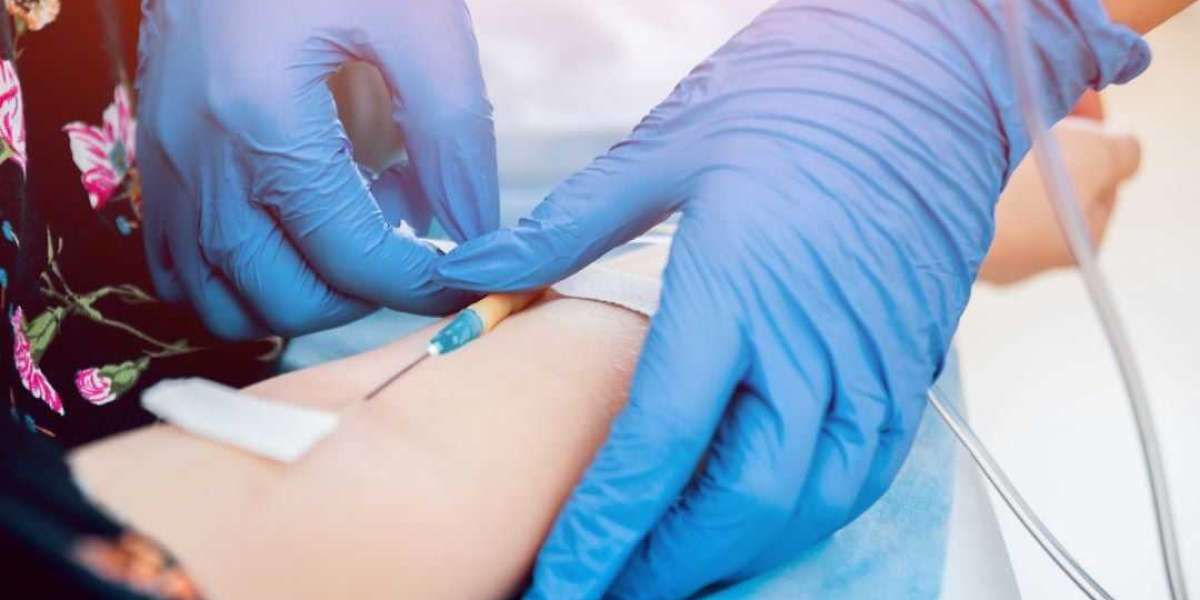
Dehydration is one of the most common challenges during flu and cold episodes, especially when fluid intake is low. IV therapy delivers fluids directly into the bloodstream, bypassing the digestive system and allowing for faster absorption. This can be particularly helpful when nausea, sore throat, or weakness makes drinking enough water difficult, helping the body regain fluid balance more efficiently.
Role of Vitamins and Minerals in Immune Support:
Certain vitamins and minerals are commonly associated with immune function and energy production. IV therapy formulations often include nutrients that support general wellness during recovery, such as:
Vitamin C for antioxidant support
B-complex vitamins for energy metabolism
Electrolytes to maintain fluid balance
These nutrients do not eliminate illness but may assist the body’s natural recovery processes when used appropriately.
Benefits of At-Home IV Therapy During Illness:
Staying at home while recovering from a cold or flu reduces exposure to others and allows for rest in a familiar environment. At-home IV therapy can offer added comfort by eliminating the need to travel while unwell. For some individuals, this convenience supports better adherence to rest and recovery routines, which are essential components of healing.
Safety and Medical Oversight Considerations:
IV therapy is a medical procedure and should always be administered by a licensed healthcare professional. Proper assessment ensures that IV fluids and nutrients are appropriate for the individual’s condition and medical history. Safety protocols, sterile equipment, and monitoring during the session help reduce risks such as infection or vein irritation, which is especially important when the immune system is already under strain.
Managing Symptoms Alongside IV Therapy:
IV therapy works best as part of a broader recovery plan rather than a standalone solution. Symptom management should still include rest, proper nutrition, and any medications recommended by a healthcare provider. Supportive recovery strategies often involve:
Adequate sleep to aid immune response
Light, nutrient-rich meals as appetite allows
Following medical advice for fever or pain relief
This balanced approach helps the body recover more effectively.
Who May Benefit the Most:
Not everyone recovering from a cold or flu will need IV therapy, but certain individuals may find it more supportive. Those experiencing significant fatigue, dehydration, or difficulty maintaining oral fluid intake may benefit under medical guidance. Personal health status, underlying conditions, and severity of symptoms all play a role in determining suitability.
Understanding Limitations and Expectations:
It is important to maintain realistic expectations about what IV therapy can and cannot do. IV nutrients do not cure viral infections or replace medical treatment when needed. Their role is supportive, helping the body maintain hydration and nutrient levels while the immune system does the work of fighting the infection.
Regulatory and Local Health Standards:
Any at-home medical service should comply with local healthcare regulations and standards. In Dubai, IV therapy services must be provided by licensed professionals following approved medical guidelines. Ensuring that an IV Drip at home in Dubai service aligns with these standards helps protect patient safety and promotes responsible care.
Final Thoughts.
Recovering from a cold or flu takes time, rest, and proper support. IV therapy at home may offer a convenient way to assist hydration and nutrient replenishment when guided by qualified medical professionals. By viewing IV therapy as a supportive measure rather than a cure, individuals can make informed decisions that prioritize safety, comfort, and overall well-being during recovery.